

Shrines, Festivals and Faith: Decoding the Spiritual World of the Japanese
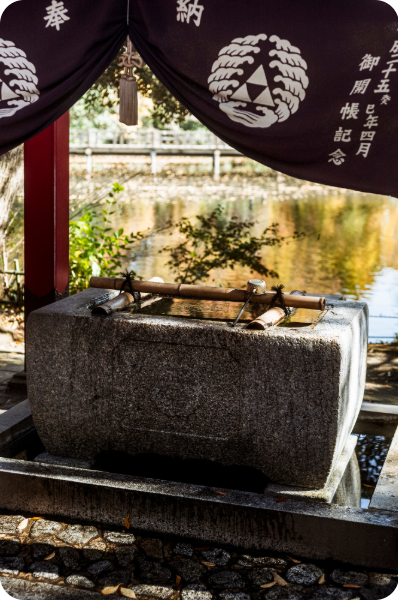
Shrines, known as “jinja” in Japanese, are the core carrier of the Japanese spiritual world and the home of Shintoism, the indigenous religion of Japan. Unlike the solemn and majestic temples, Japanese shrines are usually surrounded by dense forests, with simple wooden torii gates standing at the entrance, separating the secular world from the sacred space inside. The torii gate, painted in vermilion, is not only an architectural symbol, but also a bridge between the mortal world and the gods. When you step through the torii gate, you enter a quiet and peaceful world, where the sound of wind blowing through the trees and the chirping of birds replace the noise of the city.

Inside the shrine, the main hall is simple and elegant, without gorgeous decorations. The shrine is dedicated to various gods, including mountain gods, water gods, harvest gods and ancestors. The Japanese believe that all things have spirits, and these gods guard their daily life, bringing peace, harvest and happiness. People often come to the shrine to pray, bow and clap their hands twice to express their piety. This simple ritual is not a blind belief, but a way for the Japanese to express their gratitude to nature and the gods, and to seek inner peace in the fast-paced modern life.

If shrines are the quiet home of faith, then festivals, or “matsuri”, are the lively expression of faith. Throughout the year, Japan has a variety of traditional festivals, each with its own unique customs and meanings, which are closely linked to faith and life. For example, the Tanabata Festival in July is a day to pray for love and wishes, when people write their wishes on colorful strips of paper and hang them on bamboo branches; the Obon Festival in August is a time to remember ancestors, when families gather to pay homage to their ancestors and light lanterns to guide their souls home.
The most impressive are the grand festival parades. During the festival, people wear traditional costumes, carry portable shrines “mikoshi” decorated with colorful fabrics, and walk through the streets with cheerful music and shouts. The portable shrine is believed to carry the gods, and people carry it to share the blessings of the gods with the whole community. The scene is lively and warm, with people of all ages joining in, which not only inherits the traditional culture, but also strengthens the connection between people.
In fact, the Japanese faith is not a single religion, but a blend of Shintoism, Buddhism and folk customs. Shrines represent the worship of nature and ancestors, Buddhism brings the concept of impermanence and tolerance, and folk customs integrate these beliefs into daily life. This inclusive spiritual world makes the Japanese people pay attention to harmony, respect nature, cherish the present and emphasize the sense of community.

Shrines, festivals and faith are not just cultural symbols of Japan, but the spiritual pillar of the Japanese people. They carry the memory of the nation, the yearning for beauty and the pursuit of harmony. To walk into a Japanese shrine, participate in a traditional festival, is to feel the quiet power of faith, and to decode the gentle and profound spiritual world hidden in the heart of every Japanese.
Beneath the hustle and bustle of modern Japan lies a deep-rooted spiritual world, woven closely with shrines, festivals and faith. Unlike the grand religious rituals of some cultures, the Japanese spiritual life is more like a quiet dialogue between humans and nature, between the past and the present. It is not confined to temples or scriptures, but integrated into daily life, quietly shaping the values, etiquette and way of life of the Japanese people. To explore shrines and festivals is to unlock the code to understand their inner world.

Shrines, known as “jinja” in Japanese, are the core carrier of the Japanese spiritual world and the home of Shintoism, the indigenous religion of Japan. Unlike the solemn and majestic temples, Japanese shrines are usually surrounded by dense forests, with simple wooden torii gates standing at the entrance, separating the secular world from the sacred space inside. The torii gate, painted in vermilion, is not only an architectural symbol, but also a bridge between the mortal world and the gods. When you step through the torii gate, you enter a quiet and peaceful world, where the sound of wind blowing through the trees and the chirping of birds replace the noise of the city.
Inside the shrine, the main hall is simple and elegant, without gorgeous decorations. The shrine is dedicated to various gods, including mountain gods, water gods, harvest gods and ancestors. The Japanese believe that all things have spirits, and these gods guard their daily life, bringing peace, harvest and happiness. People often come to the shrine to pray, bow and clap their hands twice to express their piety. This simple ritual is not a blind belief, but a way for the Japanese to express their gratitude to nature and the gods, and to seek inner peace in the fast-paced modern life.
If shrines are the quiet home of faith, then festivals, or “matsuri”, are the lively expression of faith. Throughout the year, Japan has a variety of traditional festivals, each with its own unique customs and meanings, which are closely linked to faith and life. For example, the Tanabata Festival in July is a day to pray for love and wishes, when people write their wishes on colorful strips of paper and hang them on bamboo branches; the Obon Festival in August is a time to remember ancestors, when families gather to pay homage to their ancestors and light lanterns to guide their souls home.
The most impressive are the grand festival parades. During the festival, people wear traditional costumes, carry portable shrines “mikoshi” decorated with colorful fabrics, and walk through the streets with cheerful music and shouts. The portable shrine is believed to carry the gods, and people carry it to share the blessings of the gods with the whole community. The scene is lively and warm, with people of all ages joining in, which not only inherits the traditional culture, but also strengthens the connection between people.
In fact, the Japanese faith is not a single religion, but a blend of Shintoism, Buddhism and folk customs. Shrines represent the worship of nature and ancestors, Buddhism brings the concept of impermanence and tolerance, and folk customs integrate these beliefs into daily life. This inclusive spiritual world makes the Japanese people pay attention to harmony, respect nature, cherish the present and emphasize the sense of community.
Shrines, festivals and faith are not just cultural symbols of Japan, but the spiritual pillar of the Japanese people. They carry the memory of the nation, the yearning for beauty and the pursuit of harmony. To walk into a Japanese shrine, participate in a traditional festival, is to feel the quiet power of faith, and to decode the gentle and profound spiritual world hidden in the heart of every Japanese.


